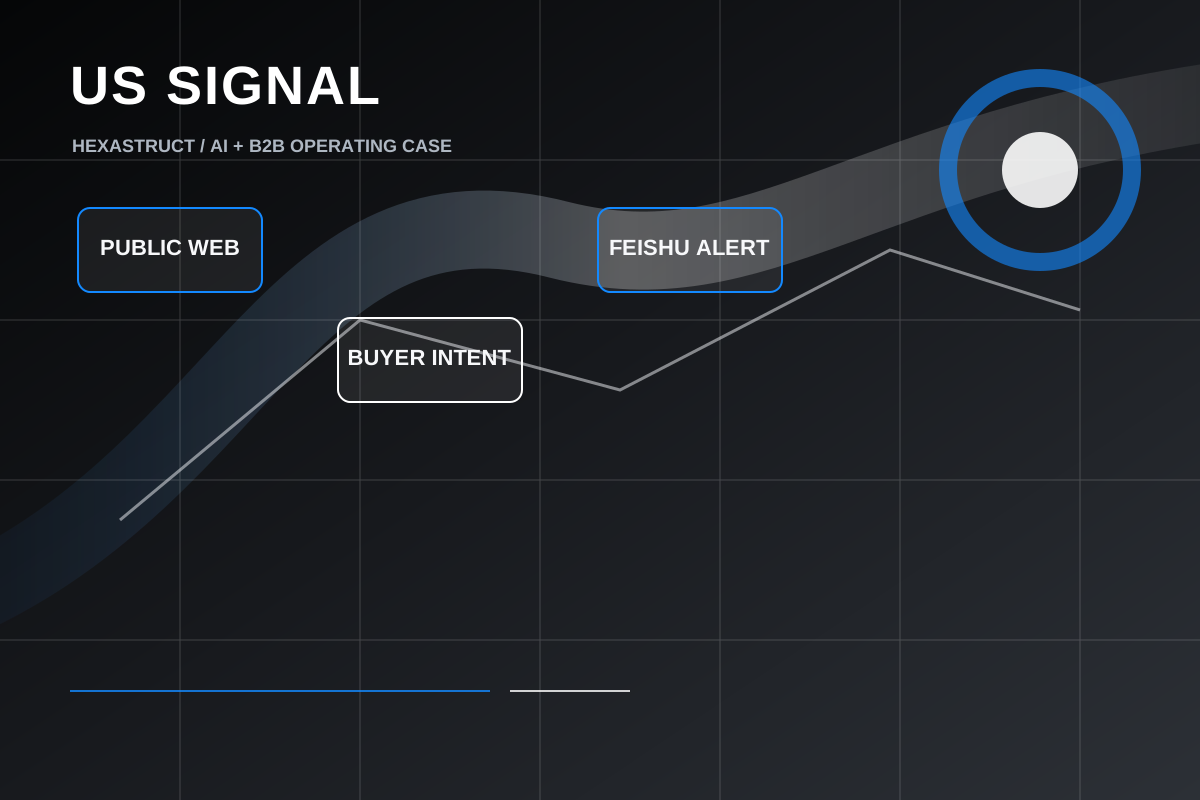
Public signalA visible clue from public pages, posts, comments, RFQs, directories, or product launches that may reveal buyer demand.
Stored with source URL, timestamp, channel, extracted fields, and confidence score.
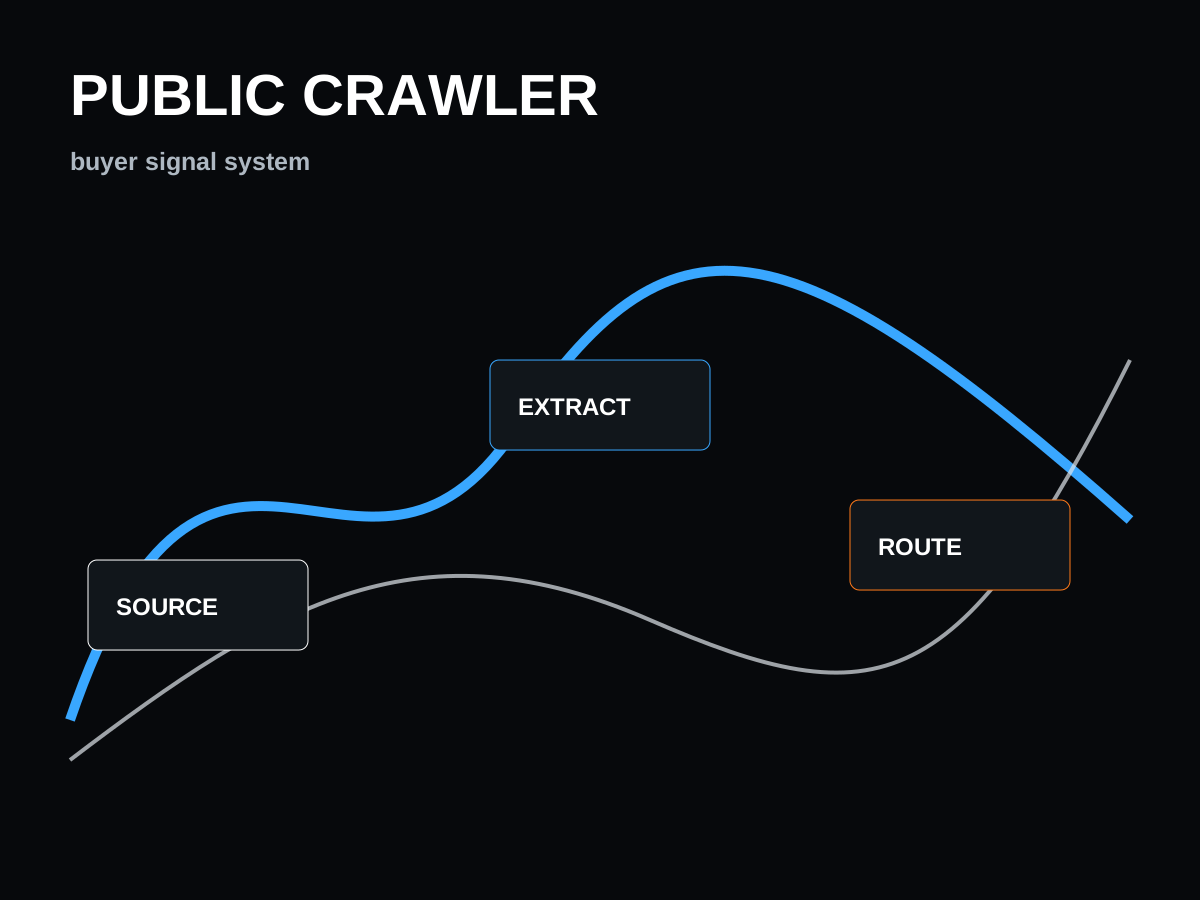
Crawler automationA scheduled system that monitors public information and captures useful changes or records.
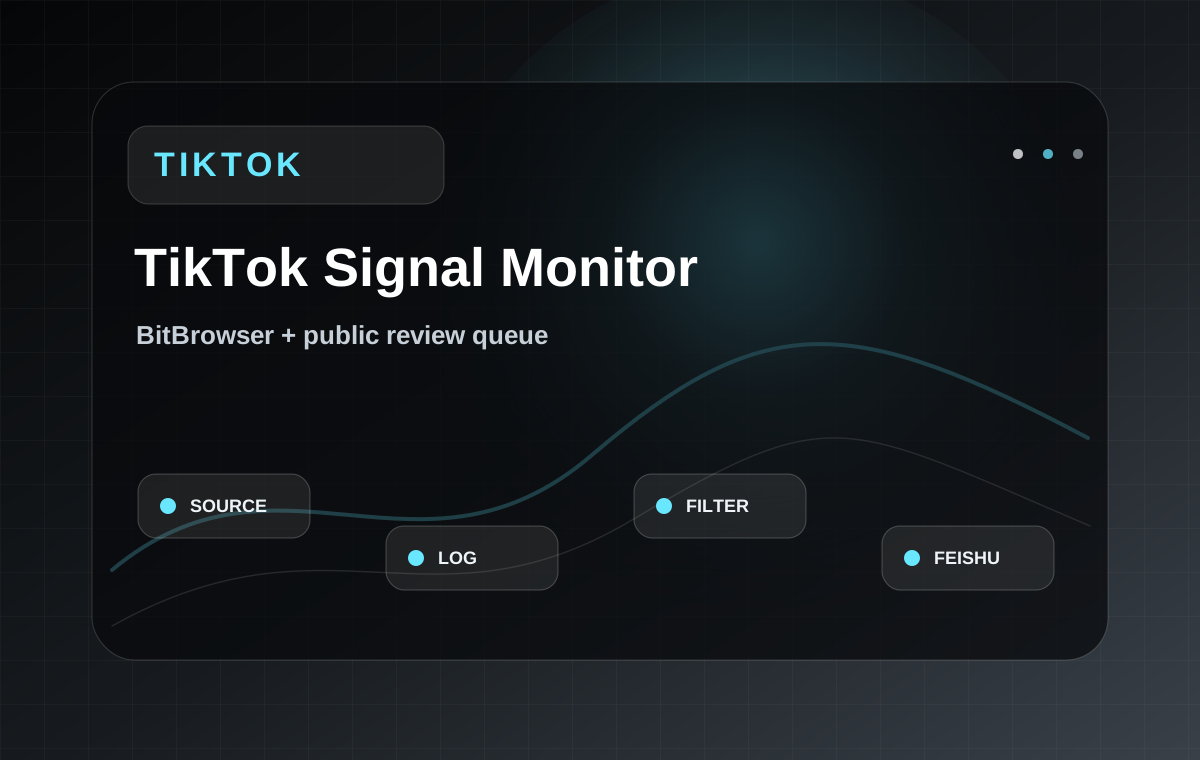
Built with tools such as Python, Playwright, Scrapling, Yingdao RPA, browser queues, and source logs.
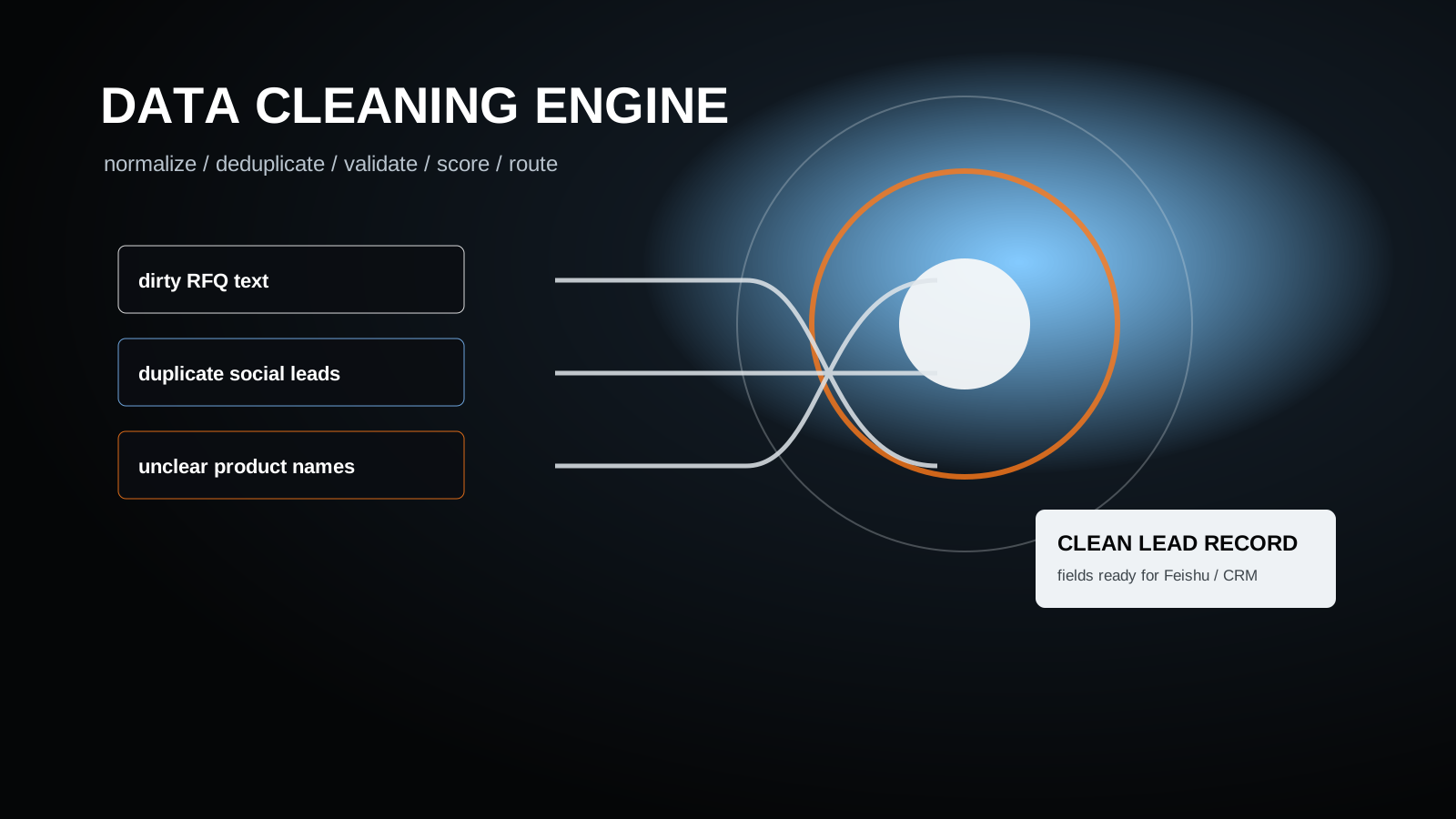
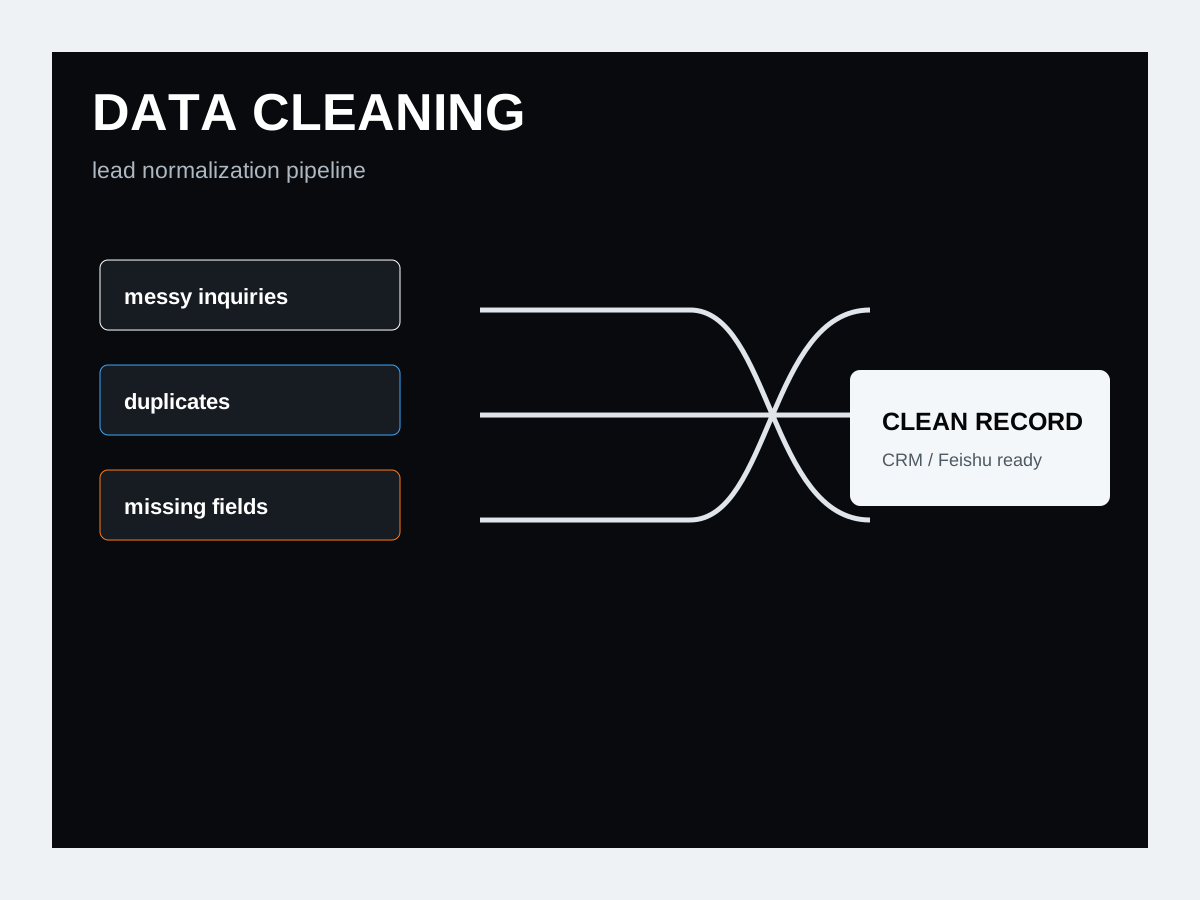
Data cleaningThe process of turning messy lead text into consistent fields a team can search, compare, score, and route.
Includes normalization, deduplication, validation, missing-field flags, taxonomy mapping, and quality scoring.
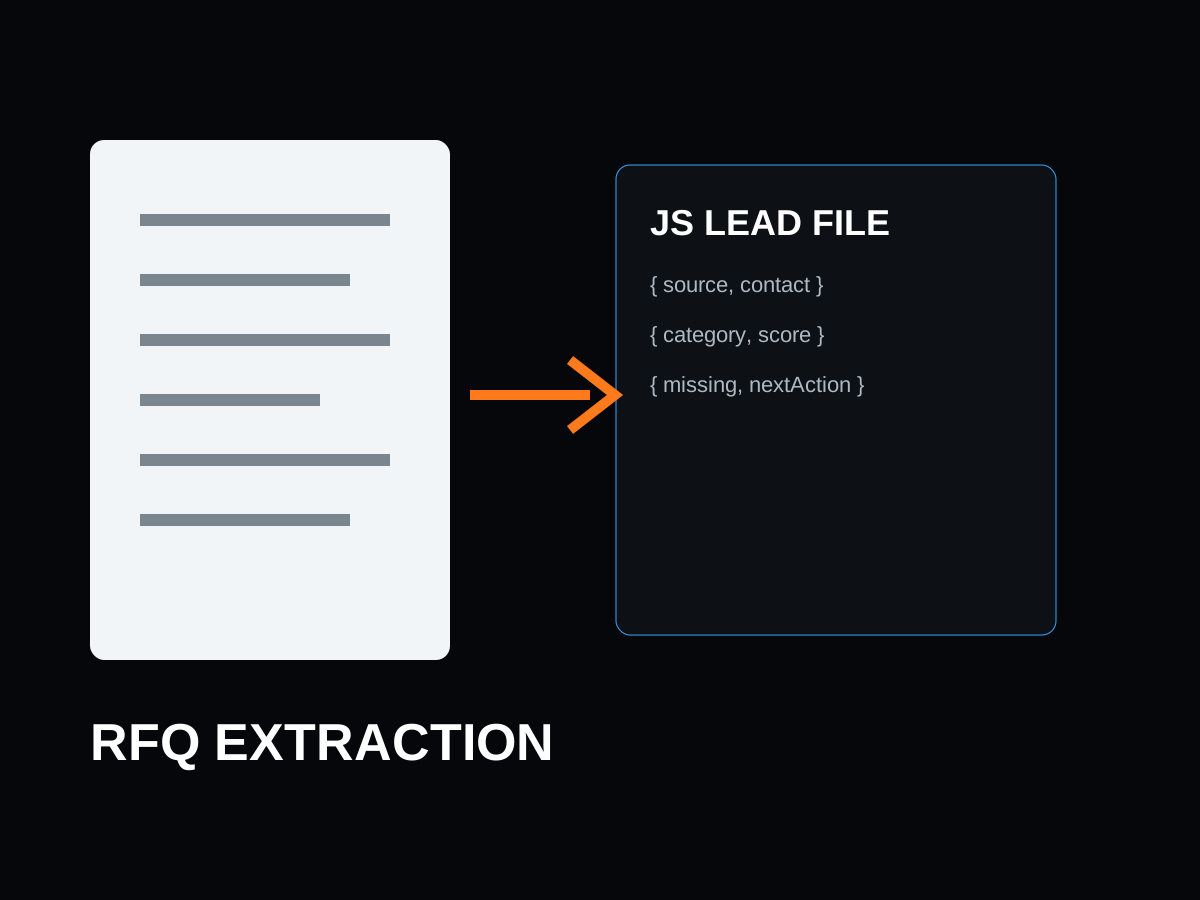
AI extractionUsing an AI model to read messy content and output structured fields.
Useful for RFQs, product pages, comments, supplier notes, emails, and research documents.
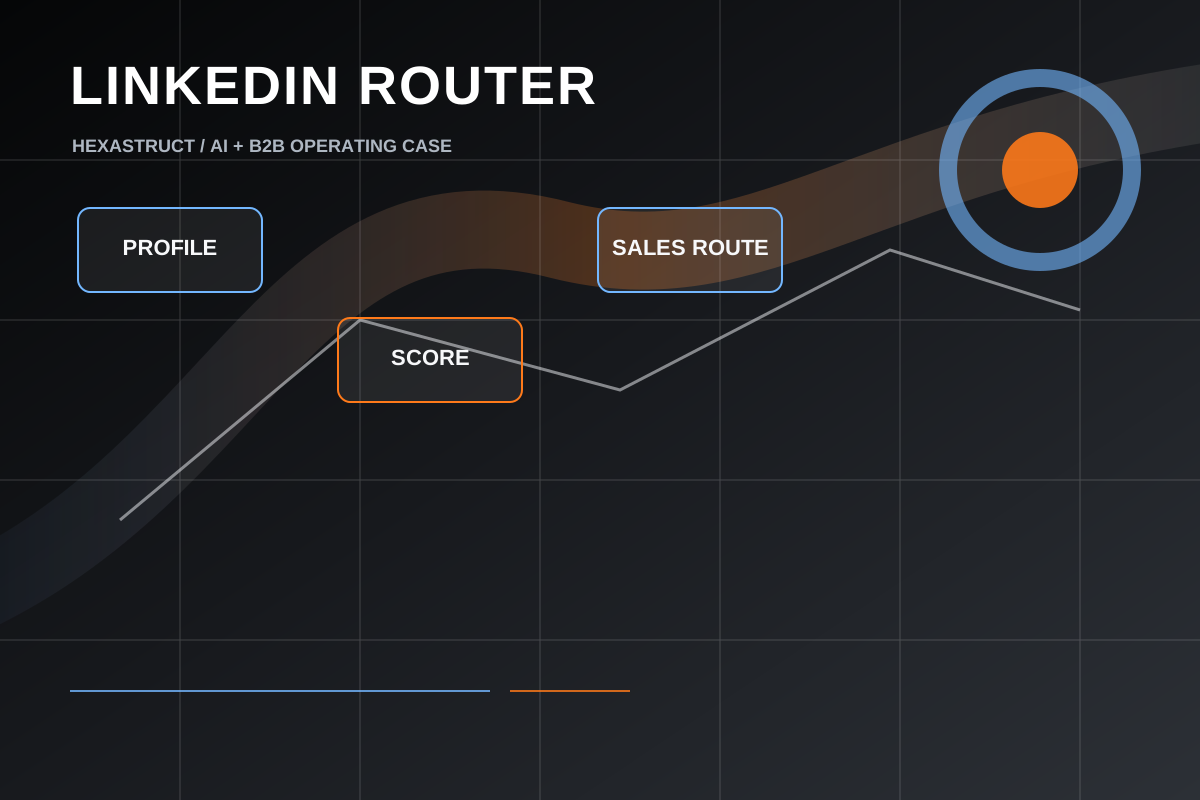
Lead scoringA way to decide which opportunities deserve human attention first.
Combines category fit, target market, buyer role, urgency, source reliability, negative signals, and confidence.
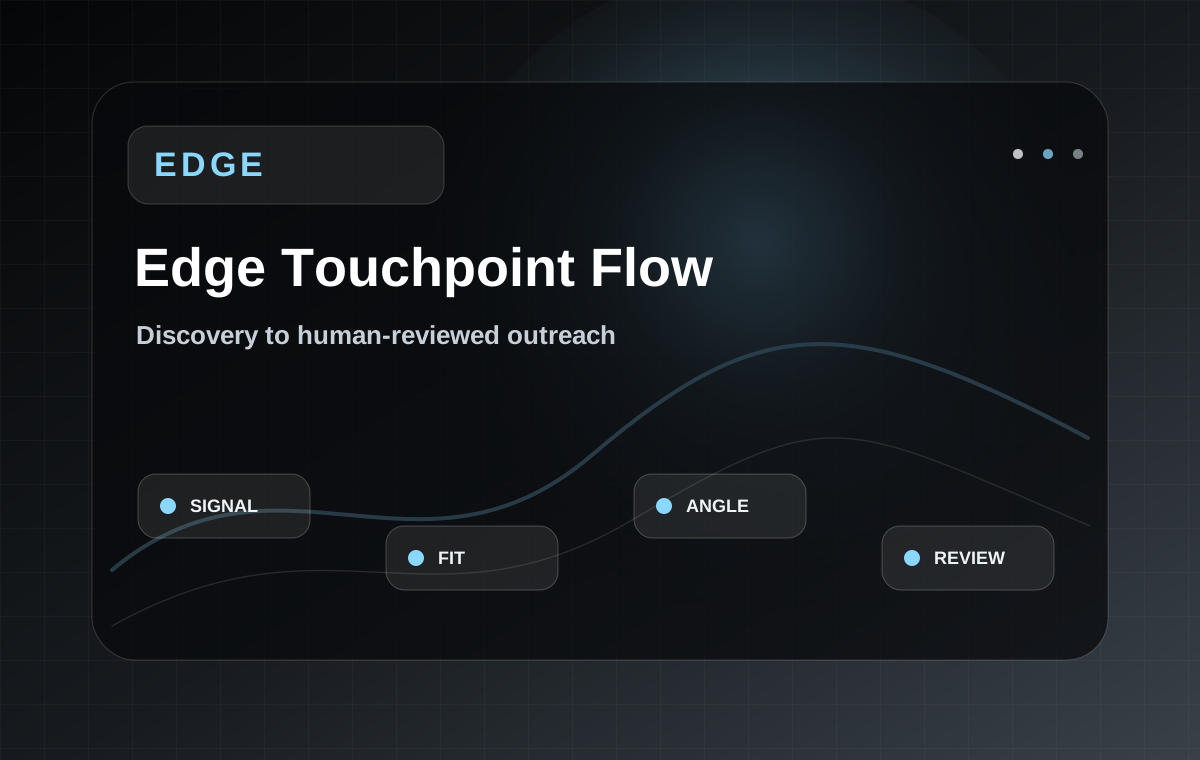
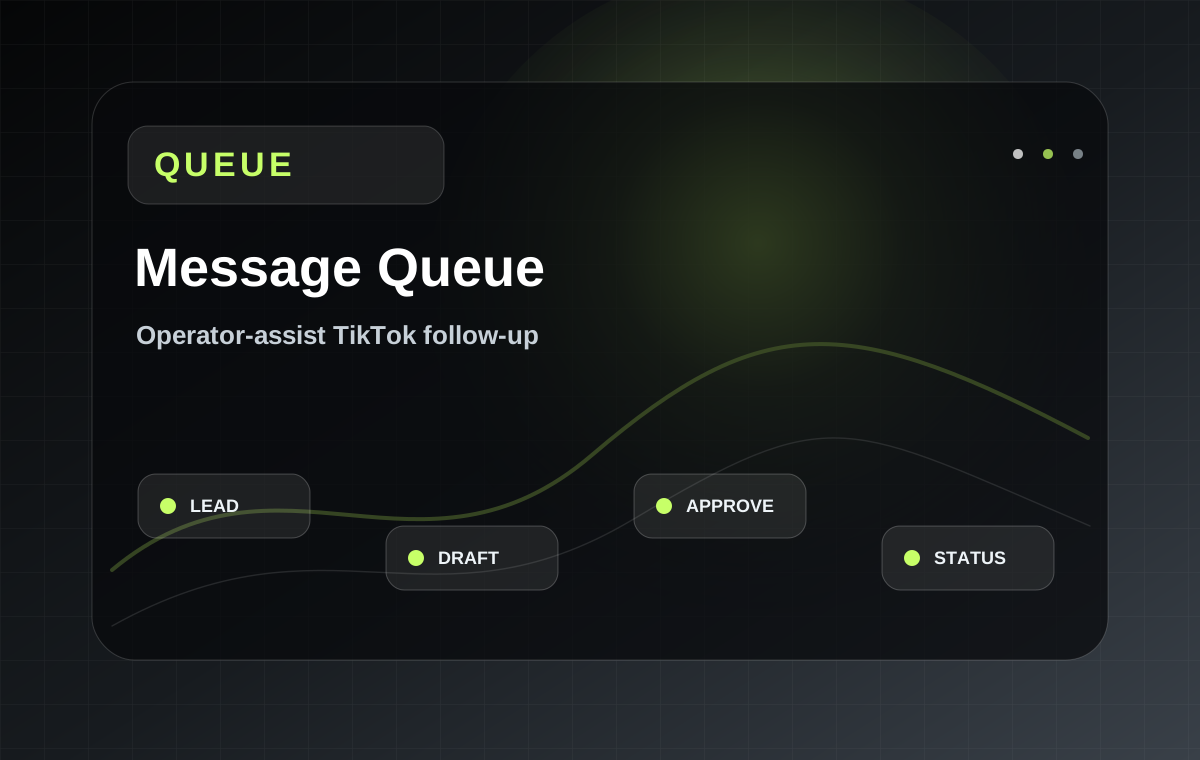
Human review checkpointA required review step before outreach, quotation, or supplier commitment.
Keeps automation useful without letting weak or risky output reach buyers.
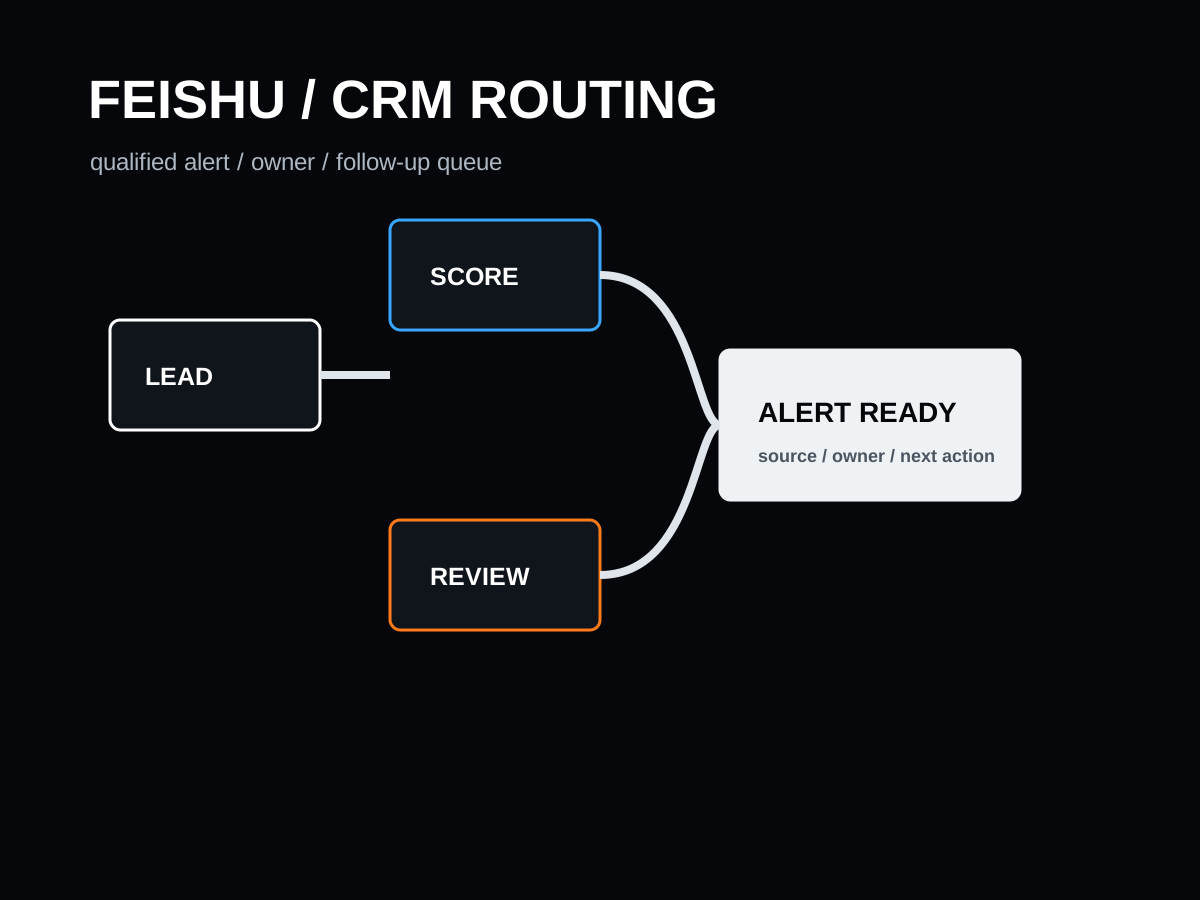
Feishu alertA concise message pushed to the team when a qualified lead or workflow exception appears.
Can include source, summary, score, missing fields, recommended next action, and owner.
GEO feedback loopTurning repeated buyer questions discovered by workflows into pages that AI search engines can quote.
The same cleaned questions feed FAQ schema, answer hub pages, llms.txt, service pages, and sales scripts.